- Live Unvarnished
- Posts
- The Narcissism of Small Differences
The Narcissism of Small Differences

Andy Prince
November 07, 2025
Alright, we’re going to get a bit philosophical at the beginning…then meander back to the everyday. I think. I hope. Let’s find out.
In 1917, Sigmund Freud coined the term narcissism of small differences. According to the American Psychological Association, the idea behind this concept is that people or groups that are otherwise very similar to each other, find small differences as a rationale for hostility. Originally Freud viewed the narcissism of small differences as a relatively harmless way to interpret individual behavior. He began to understand, however, that this idea applies to groups (and entire communities and cultures) in a way that can “escalate into widespread hostile and destructive actions.”
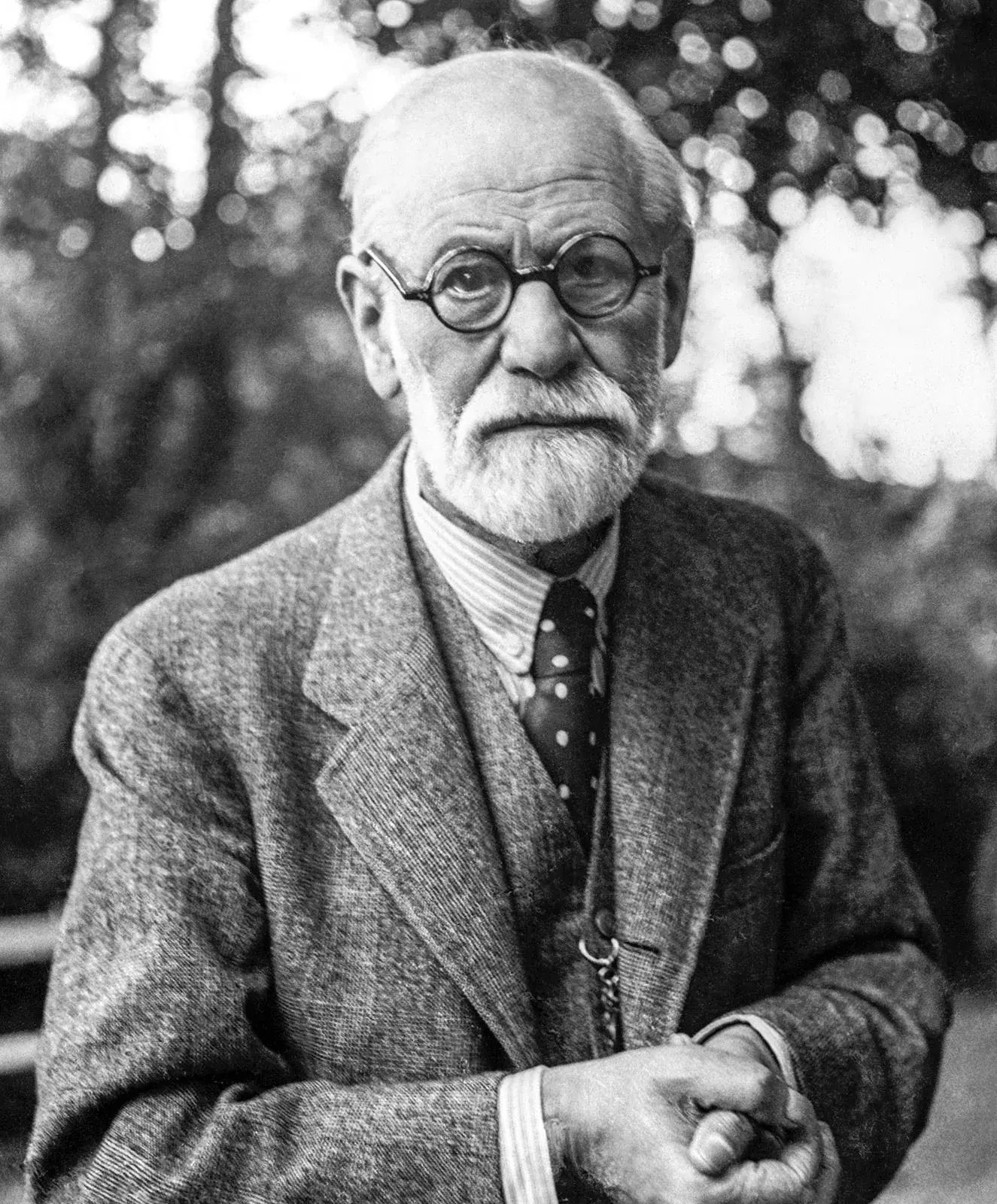
I think Freud’s head might explode if he were alive today.
Think of the narcissism of small differences in this way (a simple way of looking at it). In a neighborhood association, everyone who lives there is likely from a similar socio-economic situation, shares similar ideas about what it means to be neighborly, etc. But suddenly all hell breaks loose because the Smiths painted the trim on their house orange, not blue. Letters are written, pearls are clutched, anger foments, sideways glances are shared, and lawsuits emerge. Sometimes people are killed.
If we expand this concept more broadly to our own neighborhoods, our own cities, our own states, our own country, I suspect we can all see it happening on a daily basis. Sometimes much more than we’d like to see or experience.
But we can break the cycle. Here are a few ways:
Self-awareness: Honestly, this can be a hard one. But recognizing when we give undue importance to a minor difference (whether individually or collectively) can be a first step to short-circuiting an escalating argument over something that really doesn’t matter in the big scheme.
Perspective: The ability to see the world through someone else’s lens can be a powerful diffuser when it comes to disagreements. It doesn’t necessarily mean agreeing with someone else’s viewpoint; it simply means having the ability to place ourselves in someone else’s shoes for a minute.
Shared Values: Focus on what is shared and what we have in common vs. what is different between us. Doing so builds bonds and breaks down barriers.
Education: I suspect most people aren’t familiar with the concept of narcissism of small differences. If it actually became a topic of conversation in a group, I suspect many lightbulbs would go off as people realize they likely engage in this behavior more regularly than they think.
Overcoming the narcissism of small differences – especially in larger groups – is incredibly powerful and unifying. It allows us to focus on much bigger problems and issues that have real consequence. And it allows us to work together collectively and cohesively to solve those problems.
Imagine what we could accomplish together if we set aside trivial differences and worked on uplifting humanity. I mean…wow.
Until next week.
Andy
(All written content created the old-fashioned way.)