- Live Unvarnished
- Posts
- Our Voice
Our Voice

Andy Prince
February 06, 2026
Early in my career at Dell, we had a…situation that required a product recall and a statement to the press. During the crisis, the VP of the product at that time had an informal gathering of a few members of his team and me. I was the most junior person at the meeting. It was after hours. Everyone was stressed, tired, and on edge. With the team assembled, the VP told me the statement he wanted to put out to the press. I took a breath and said: “No.” And then I explained my rationale. You could have heard a pin drop in the silence that followed. He was visibly shaking from anger. He stormed off and said, “Do whatever you want to do.”
His team were stunned. Frankly, I was a little stunned as well. They all looked at me and, in unison, asked me if I was crazy or didn’t care about my job. They told me to go apologize to him and smooth things over. I said no because I believed in my rationale and reasoning. They shook their heads and told me it was nice working with me. I just assumed I was going to be fired the next morning. I wasn’t. The team I was on took the lead in drafting a statement to the media. We actually minimized (and practically averted) any negative press coverage for Dell around the issue.
A few months later, the director of our team told me how much that VP respected me for what I did. Yea, he was pissed as hell in the moment, but he later appreciated me having the courage to stand up for what I believed was the right thing to do.
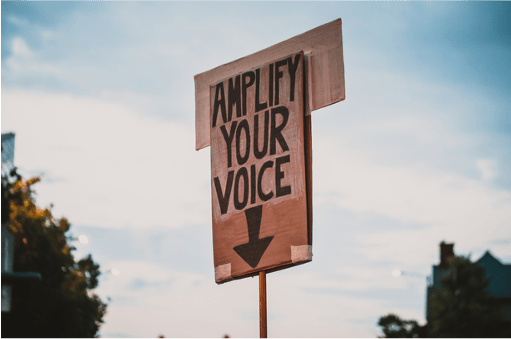
Here’s what that moment taught me/reinforced for me about voice.
We don’t need permission to have a voice and offer a perspective about…well... anything.
Titles, age, gender, skin color don’t (and shouldn’t) matter when it comes to our voice (in the corporate world or in our personal lives). If we have something important and powerful (or even not so powerful) to say, say it.
Having a voice isn’t about being loud and brash. It’s about having the courage to say something, even if our voice shakes and falters.
I have far more regrets over things I wish I’d said than things I’ve actually said.
Being (respectfully) candid and direct is something rare and valuable.
Using our voice won’t always sit well with everyone.
Don’t let anyone control your voice. Or tell you what you can or can’t say. Or how you should or shouldn’t say something. Your voice is yours and yours alone. Own it and use it any time you want.
Using our voice can very quickly weed out those that want to circumvent authenticity, truth, and candor in favor of manipulation, lies, and avoidance.
Malala Yousafzai said: When the whole world is silent, even one voice becomes powerful. Be that voice.
Until next week.
Andy
(All written content created the old-fashioned way).